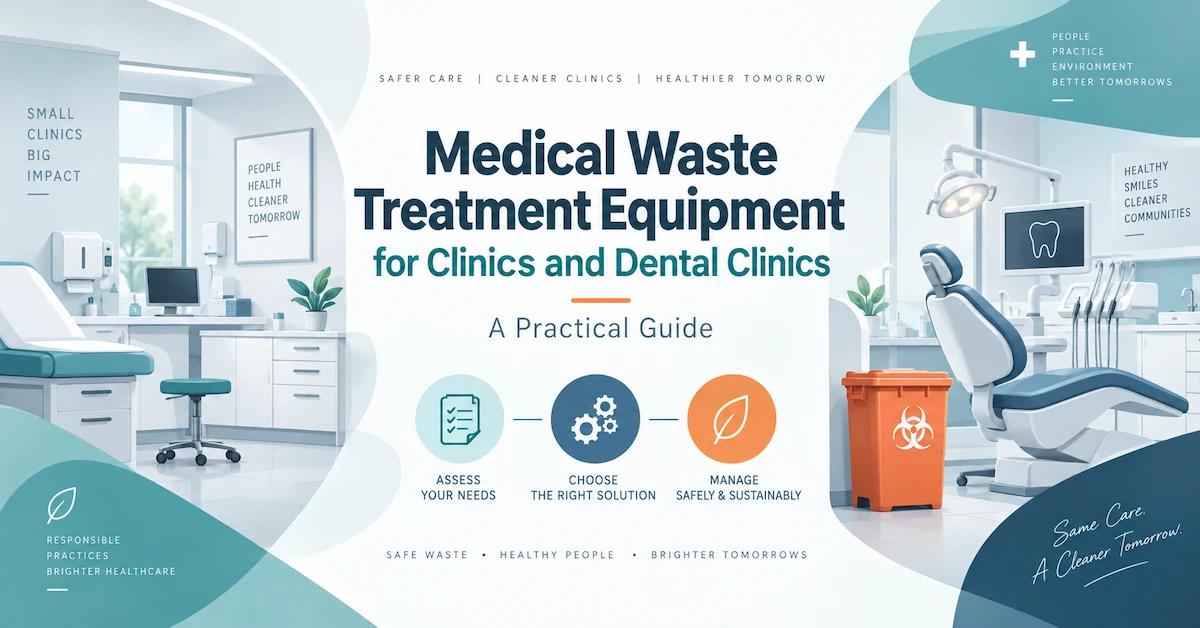
تعد إدارة النفايات الطبية أحد أهم التحديات التشغيلية التي تواجهها مرافق الرعاية الصحية الحديثة.
تنتج المستشفيات والعيادات والمختبرات والمراكز الطبية أنواعًا مختلفة من النفايات المعدية يوميًا، بما في ذلك:
- المستلزمات الطبية المستعملة
- معدات الحماية الملوثة
- النفايات الجراحية
- مخلفات المختبرات
- مخلفات الأدوات الحادة
- المواد البيولوجية
إذا لم يتم التعامل مع النفايات الطبية بشكل صحيح، فقد يؤدي ذلك إلى مخاطر:
- العاملون في مجال الرعاية الصحية
- المرضى
- موظفو نقل النفايات
- البيئة المحيطة
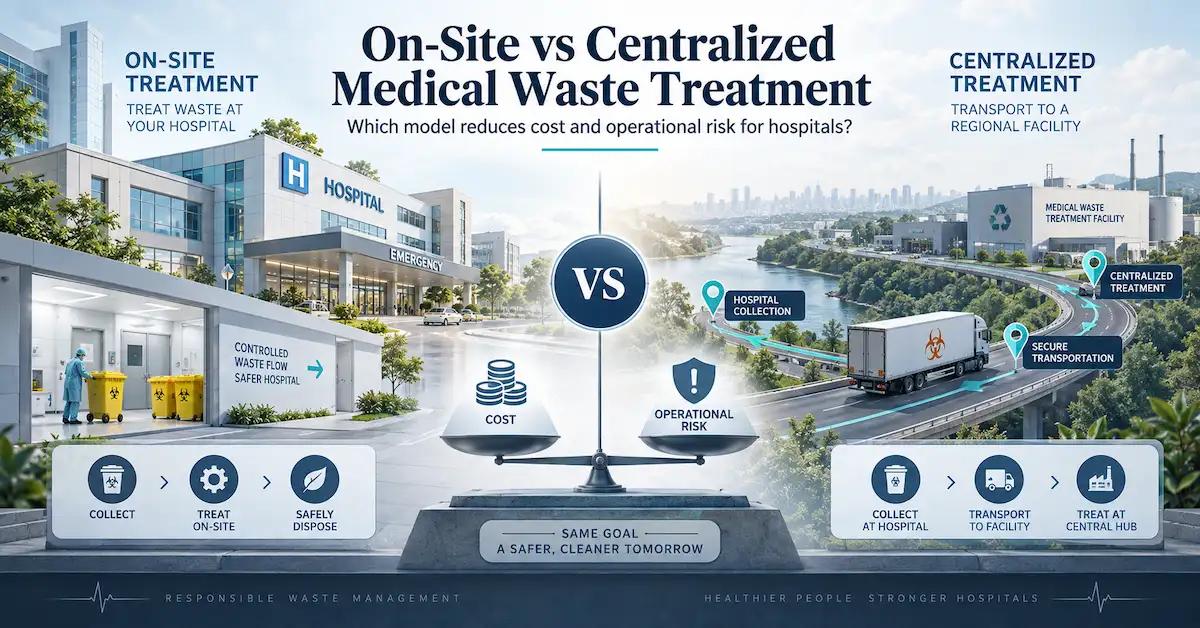
تقليديًا، اعتمدت العديد من مرافق الرعاية الصحية على خدمات الجمع المركزية والتخلص الخارجي. ومع ذلك، قد يخلق هذا النهج تحديات إضافية:
- تخزين النفايات على المدى الطويل
- مخاطر النقل
- ارتفاع تكاليف التخلص
- تحكم محدود في عمليات المعالجة
- زيادة ضغط مكافحة العدوى
نظرًا لأن مؤسسات الرعاية الصحية تركز بشكل أكبر على السلامة والاستدامة والكفاءة التشغيلية، تستثمر العديد من المستشفيات في معدات معالجة النفايات الطبية لمعالجة النفايات بالقرب من المصدر.
يمكن لنظام مناسب لمعالجة النفايات الطبية أن يساعد المستشفيات:
- تحسين مكافحة العدوى
- تقليل حجم النفايات
- متطلبات نقل أقل
- تحسين كفاءة إدارة النفايات
- دعم الامتثال البيئي
ومع ذلك، فإن اختيار المعدات المناسبة يتطلب تقييمًا دقيقًا للتكنولوجيا والقدرات وتكاليف التشغيل وقدرات الموردين.

ما هي معدات معالجة النفايات الطبية؟
تشير معدات معالجة النفايات الطبية إلى أنظمة متخصصة مصممة لمعالجة نفايات الرعاية الصحية المعدية بشكل آمن من خلال التعقيم أو التطهير أو التقطيع أو طرق المعالجة المعتمدة الأخرى.
الغرض الرئيسي من هذا الجهاز هو:
- تقليل المخاطر البيولوجية
- تعطيل الكائنات الحية الدقيقة الضارة
- تقليل حجم النفايات
- اجعل النفايات المعالجة أكثر أمانًا للتخلص النهائي منها
تستخدم التقنيات المختلفة مبادئ معالجة مختلفة.
تشمل تقنيات معالجة النفايات الطبية الأكثر شيوعًا ما يلي:
- التعقيم بالأوتوكلاف
- المعالجة الحرارية الاحتكاكية (FHT)
- المعالجة بالموجات الدقيقة
- التطهير الكيميائي
- أنظمة الترميد
لكل طريقة مزايا وقيود مختلفة.
يجب على المستشفيات اختيار المعدات بناءً على:
- نوع النفايات
- توليد النفايات اليومية
- حجم المنشأة
- البنية الأساسية المتاحة
- اللوائح المحلية
- متطلبات التشغيل طويلة المدى
أنواع معدات معالجة النفايات الطبية
1. معدات معالجة النفايات الطبية بالأوتوكلاف
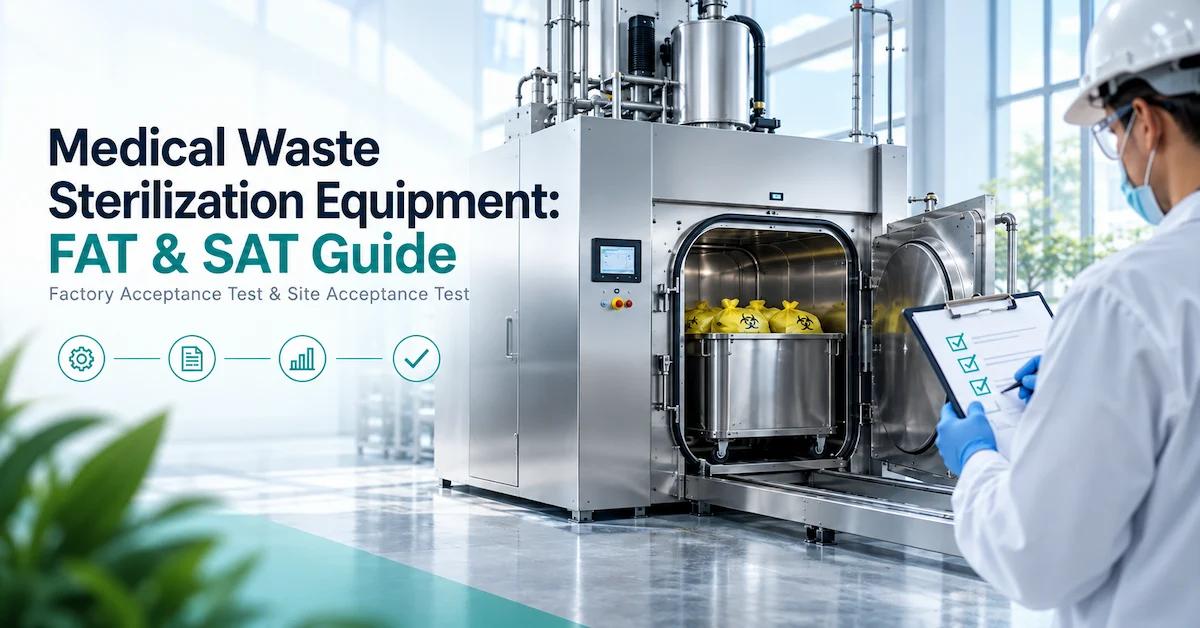
يستخدم جهاز تعقيم النفايات الطبية بخارًا عالي الحرارة تحت الضغط لتعقيم النفايات المعدية.
تتضمن العملية الأساسية ما يلي:
- تحميل النفايات إلى الغرفة
- إزالة الهواء
- نقدم لك البخار المشبع
- المحافظة على درجة الحرارة والضغط
- استكمال عملية التعقيم
- إزالة النفايات المعالجة
مزايا أنظمة الأوتوكلاف
يتم استخدام الأوتوكلاف على نطاق واسع لأنها توفر:
- أداء مثبت للتعقيم بالبخار
- إجراءات التشغيل المحددة
- التعطيل الميكروبي الموثوق به
- التوافق مع العديد من مرافق الرعاية الصحية
يتم استخدامها بشكل شائع في:
- المستشفيات
- المختبرات
- المؤسسات البحثية
- مراكز الرعاية الصحية
قيود أنظمة الأوتوكلاف
يجب على المستشفيات أيضًا مراعاة العديد من القيود:
متطلبات البنية التحتية الإضافية
قد يتطلب الأوتوكلاف ما يلي:
- إمدادات البخار
- أنظمة المياه
- إدارة أوعية الضغط
- أنظمة الصرف الصحي
- أنظمة التهوية
قد يلزم تمزيق منفصل
يقوم جهاز التعقيم التقليدي بتعقيم النفايات ولكنه قد لا يغير مظهرها المادي بشكل ملحوظ.
قد تكون هناك حاجة إلى معدات تمزيق إضافية من أجل:
- تقليل حجم النفايات
- منع إعادة الاستخدام غير المصرح به
- تحسين كفاءة التخلص النهائي
متطلبات أعلى للأدوات المساعدة
قد يزداد توليد البخار وتشغيل الضغط:
- استهلاك الطاقة
- متطلبات الصيانة
- مدى تعقيد عملية التثبيت
2. معدات المعالجة الحرارية الاحتكاكية (FHT) للنفايات الطبية
المعالجة الحرارية الاحتكاكية (FHT) هي تقنية متقدمة لمعالجة النفايات الطبية بدون حرق وتستخدم الطاقة الميكانيكية لتوليد الحرارة.
بخلاف أجهزة التعقيم، لا تعتمد أنظمة FHT على البخار الخارجي.
تجمع عملية العلاج بين:
- التقطيع الميكانيكي
- توليد حرارة الاحتكاك
- التعقيم
- تقليل الحجم
داخل النظام، تعمل المكونات الدوارة عالية السرعة على خلق احتكاك بين مواد النفايات وغرفة المعالجة.
يتم تحويل هذه الطاقة الميكانيكية إلى طاقة حرارية، مما يسمح للنظام بتعقيم النفايات المعدية.
تم تصميم نظام معالجة النفايات الطبية FHT من Weidun لدمج التقطيع والتعقيم في عملية آلية واحدة.
مزايا أنظمة معالجة النفايات الطبية FHT
التقطيع والتعقيم المتكامل
واحدة من أكبر مزايا تقنية FHT هي أن التقطيع والتعقيم يحدثان في نفس غرفة المعالجة.
وهذا يساعد المستشفيات:
- تقليل أثر المعدات
- تقليل المعالجة اليدوية
- تبسيط سير العمل
- إنتاج بقايا معالجة لا يمكن التعرف عليها
لا توجد غلايات بخار خارجية
تولد تقنية FHT الحرارة من خلال الاحتكاك الميكانيكي.
وهذا يلغي الحاجة إلى:
- الغلايات البخارية
- أوعية الضغط
- البنية التحتية المعقدة للبخار
معالجة النفايات الطبية في الموقع
تسمح أنظمة FHT للمستشفيات بمعالجة النفايات المعدية عند النقطة التي يتم إنشاؤها فيها.
تشمل الفوائد ما يلي:
- وقت تخزين أقل
- مخاطر أقل للنقل
- تحكم أفضل في العدوى
- تحسين الكفاءة التشغيلية
الإدارة المستدامة للنفايات
مقارنة بالطرق المعتمدة على الاحتراق، تدعم التقنيات غير الحرق تطوير رعاية صحية أكثر مراعاة للبيئة من خلال تقليل الاعتماد على عمليات الحرق.
مقارنة معدات معالجة النفايات الطبية
كيفية اختيار معدات معالجة النفايات الطبية للمستشفيات
يتطلب تحديد المعدات المناسبة أكثر من مجرد مقارنة أسعار الماكينات.
يجب على المستشفيات تقييم عدة عوامل رئيسية.
1. تقييم حجم النفايات الطبية اليومية
الخطوة الأولى هي فهم مقدار النفايات التي تنتجها المنشأة.
تتضمن الأسئلة المهمة ما يلي:
- ما هو عدد كيلوغرامات النفايات التي يتم توليدها يوميًا؟
- ما هي فترات ذروة الهدر؟
- هل سيزداد حجم النفايات في المستقبل؟
يجب أن تتوافق سعة المعدات مع الاحتياجات الحالية وخطط التوسع المستقبلية.
قد يؤدي اختيار معدات صغيرة جدًا إلى ما يلي:
- ساعات تشغيل أطول
- الكفاءة المنخفضة
- ضغط صيانة أعلى
قد يزيد اختيار المعدات الكبيرة جدًا:
- الاستثمار الأولي
- استهلاك الطاقة
- السعة غير المستخدمة
يجب أن يوصي المورد المحترف بالمعدات بناءً على بيانات النفايات الفعلية.
2. تحليل تكوين النفايات
تتطلب أنواع النفايات المختلفة اعتبارات معالجة مختلفة.
يجب أن تحدد المستشفيات ما يلي:
- نسبة النفايات المعدية
- مخلفات الأدوات الحادة
- مخلفات المختبرات
- النفايات السائلة
- النفايات الصيدلانية
- النفايات الكيميائية
لا يمكن معالجة جميع النفايات الطبية بنفس النظام.
قبل الشراء، يجب على المشترين التأكيد:
- فئات النفايات المعتمدة
- قيود العلاج
- متطلبات التخلص المحلي
3. فكر في تكنولوجيا العلاج
يعد اختيار التكنولوجيا أحد أهم القرارات.
يجب مقارنة المستشفيات:
أداء التعقيم
التقييم:
- درجة الحرارة
- وقت العلاج
- الحد من الميكروبات
- طرق التحقق
كفاءة سير العمل
ضع في اعتبارك:
- عملية التحميل
- مستوى الأتمتة
- خطوات التعامل مع النفايات
- متطلبات المشغل
التأثير البيئي
المراجعة:
- استهلاك الطاقة
- الانبعاثات
- الاستخدام الكيميائي
- إمكانية تقليل النفايات
4. راجع متطلبات التثبيت
تتطلب معدات معالجة النفايات الطبية تخطيطًا مناسبًا للتركيب.
يجب على المستشفيات تقييم ما يلي:
متطلبات المساحة
ضع في اعتبارك:
- بصمة المعدات
- منطقة التحميل
- الوصول إلى الصيانة
- منطقة تخزين النفايات
متطلبات الأداة المساعدة
المراجعة:
- إمدادات الكهرباء
- اتصال المياه
- الصرف الصحي
- التهوية
تخطيط المنشأة
يجب وضع المعدات بحيث تدعم:
- النقل الآمن للنفايات
- حماية المشغل
- سير عمل فعال
كيفية اختيار السعة المناسبة لمعدات معالجة النفايات الطبية
يعد اختيار السعة أحد أهم القرارات عند شراء معدات معالجة النفايات الطبية.
قد يؤدي النظام الذي لا يتناسب مع حجم توليد النفايات في المستشفى إلى حدوث مشكلات تشغيلية.
قبل اختيار المعدات، يجب على المستشفيات تقييم ما يلي:
- متوسط حجم النفايات الطبية اليومي
- فترات ذروة توليد النفايات
- عدد أسرة المستشفيات
- عدد غرف العمليات
- عبء عمل المختبر
- خطط التوسع المستقبلية
- ساعات العمل المطلوبة يوميًا
يجب أن يوصي مورد معدات معالجة النفايات الطبية المحترف بحل يعتمد على بيانات النفايات الفعلية بدلاً من مواصفات المعدات فقط.
اعتبارات السعة الصغيرة والمتوسطة والكبيرة
لدى مرافق الرعاية الصحية المختلفة متطلبات علاجية مختلفة.
منشآت الرعاية الصحية الصغيرة
أمثلة:
- العيادات الصغيرة
- عيادات طب الأسنان
- مراكز الرعاية الصحية المجتمعية
- المختبرات الصغيرة
المتطلبات النموذجية:
- تصميم المعدات صغيرة الحجم
- عملية سهلة
- مساحة التثبيت محدودة
- قدرة معالجة أقل
عادةً ما تعطي المنشآت الصغيرة الأولوية:
- استثمار أقل
- صيانة بسيطة
- عملية مرنة
منشآت الرعاية الصحية المتوسطة
أمثلة:
- المستشفيات الإقليمية
- المراكز الطبية
- مرافق البحث
المتطلبات:
- سعة معالجة يومية مستقرة
- التشغيل الآلي
- أداء تعقيم موثوق به
- كفاءة التشغيل على المدى الطويل
تحتاج هذه المرافق عادةً إلى التوازن بين:
- سعة المعدات
- تكلفة التشغيل
- متطلبات الصيانة
المستشفيات الكبيرة ومجموعات الرعاية الصحية
أمثلة:
- المستشفيات العامة
- المستشفيات الجامعية
- شبكات المستشفيات
- مشاريع الرعاية الصحية الحكومية
تتطلب المرافق الكبيرة عادةً ما يلي:
- إنتاجية أعلى
- إمكانية التشغيل المستمر
- المراقبة الذكية
- حلول مخصصة
بالنسبة لهذه المشاريع، يجب مراعاة اختيار المعدات:
- اتجاهات توليد النفايات
- مناطق معالجة متعددة
- متطلبات التوسيع
- تكلفة دورة الحياة طويلة المدى
دليل اختيار نموذج معدات معالجة النفايات الطبية Weidun
توفر Weidun أنظمة مختلفة لمعالجة النفايات الطبية FHT مصممة لسيناريوهات تطبيق مختلفة.
تتضمن النماذج الرئيسية ما يلي:
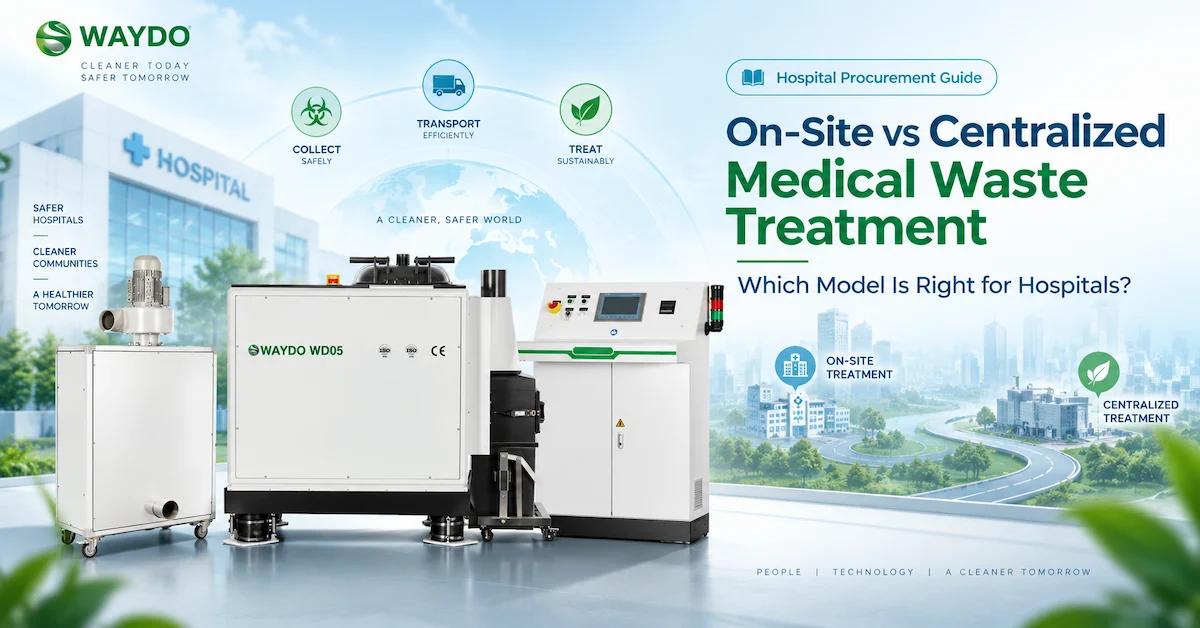
- WAYDO WD05
- WAYDO WD15
- WAYDO WD50
- WAYDO WD330
تم تصميم كل نموذج ليناسب المتطلبات المختلفة لمعالجة نفايات الرعاية الصحية.
WAYDO WD05: Compact Medical Waste Treatment Solution
WAYDO WD05 is suitable for facilities that require a compact and efficient medical waste treatment system.
Typical applications include:
- Small hospitals
- Clinics
- Laboratories
- Healthcare centers
Key advantages:
- Small footprint
- Easier installation
- Reduced waste storage requirements
- Automated treatment process
For smaller facilities that need on-site treatment without complex infrastructure, WD05 provides a practical solution.
WAYDO WD15: Medium Healthcare Waste Treatment System
WAYDO WD15 is designed for medium-sized healthcare facilities requiring reliable daily processing capability.
Suitable applications:
- Community hospitals
- Medical centers
- Research institutions
Advantages:
- Improved processing capacity
- Stable operation
- Efficient waste reduction
- Suitable for continuous healthcare operations
WD15 helps facilities improve waste management efficiency while maintaining manageable operating costs.
WAYDO WD50: Hospital Medical Waste Treatment Equipment
WAYDO WD50 is one of the most suitable models for hospitals and larger healthcare facilities.
Typical applications:
- General hospitals
- Private hospital groups
- Medical campuses
- Healthcare projects
Advantages:
- Higher treatment capacity
- Integrated shredding and sterilization
- Reduced transportation requirements
- Improved infection control
For hospitals comparing traditional disposal methods with modern non-incineration solutions, WD50 provides an effective FHT-based medical waste treatment option.
WAYDO WD330: Large-Scale Medical Waste Treatment System
WAYDO WD330 is designed for larger healthcare projects requiring higher processing capability.
Suitable applications:
- Regional medical waste centers
- Government healthcare projects
- Large hospital groups
- Centralized treatment facilities
Advantages:
- Large-scale processing capability
- Automated operation
- Project-based customization
- Long-term operational reliability
For large healthcare infrastructure projects, WD330 can support centralized and sustainable medical waste management strategies.
Key Factors to Consider Before Buying Medical Waste Treatment Equipment
1. Treatment Performance and Sterilization Validation
A reliable medical waste treatment system should provide clear information about treatment performance.
Buyers should evaluate:
- Sterilization temperature
- Treatment duration
- Microbial reduction capability
- Validation reports
- Testing procedures
Hospitals should avoid selecting equipment based only on marketing claims.
Important questions include:
- Has the system been tested with real medical waste?
- Are biological indicators used?
- Is performance documentation available?
- Does the system meet local requirements?
2. Operating Cost and Total Ownership Cost
The purchase price is only one part of the investment.
Hospitals should consider total lifecycle costs, including:
Initial Investment
Includes:
- Equipment purchase
- Installation
- Facility preparation
- Training
Operating Costs
Includes:
- Electricity consumption
- Water usage
- Labor requirements
- Consumables
Maintenance Costs
Includes:
- Spare parts
- Preventive maintenance
- Technical support
- Equipment downtime
A system with a lower purchase price may create higher long-term costs if it requires frequent maintenance or additional infrastructure.
3. Installation and Infrastructure Requirements
Before purchasing, hospitals should confirm:
Space Requirements
Consider:
- Equipment dimensions
- Loading area
- Maintenance space
- Waste collection routes
Utility Requirements
Evaluate:
- Electrical supply
- Water requirements
- Drainage
- Ventilation
Building Conditions
The installation area should support:
- Safe operation
- Easy maintenance
- Efficient workflow
FHT systems can provide installation advantages because they do not require external steam boilers or pressure vessels.
4. Automation and Operation Requirements
Modern hospitals increasingly prefer automated medical waste treatment equipment.
Automation benefits include:
- Reduced manual handling
- Improved safety
- More consistent treatment performance
- Lower operator workload
Important automation features may include:
- Automatic feeding
- Process monitoring
- Temperature control
- Data recording
- Alarm systems
5. Maintenance and After-Sales Support
Reliable after-sales service is essential for healthcare equipment.
Before purchasing, hospitals should ask suppliers about:
- Installation support
- Operator training
- Spare parts availability
- Remote technical assistance
- Maintenance schedule
- Response time
A professional supplier should provide long-term technical support instead of only delivering equipment.
Medical Waste Treatment Equipment Cost Factors
The cost of medical waste treatment equipment depends on many factors.
There is no universal price because each project has different requirements.
Main cost factors include:
| Cost Factor | Impact | |
|---|---|---|
| Processing capacity | Larger systems require higher investment | |
| Technology type | Different treatment methods have different infrastructure needs | |
| Automation level | Advanced control systems increase efficiency | |
| Installation conditions | Facility modifications affect project cost | |
| Waste volume | Determines required equipment size | |
| Service requirements | Training and maintenance influence lifecycle cost |
| Evaluation Item | Questions to Ask | |
|---|---|---|
| Treatment capacity | Can the system handle current and future waste volume? | |
| Waste compatibility | What types of medical waste can be processed? | |
| Sterilization performance | Are validation reports available? | |
| Installation requirements | What utilities and space are required? | |
| Operation process | How many steps are required during daily operation? | |
| Maintenance | Which components require regular replacement? | |
| Training | Is operator training included? | |
| Technical support | Is after-sales support available? | |
| Spare parts | Are replacement parts easy to obtain? | |
| Project experience | Has the supplier completed similar healthcare projects? |
| Application | Recommended Solution | Reason |
|---|---|---|
| Small clinics | WAYDO WD05 | Compact design and suitable processing capacity |
| Medium hospitals | WAYDO WD15 | Balanced performance and operational efficiency |
| Large hospitals | WAYDO WD50 | Higher capacity and hospital-focused application |
| Government healthcare projects | WAYDO WD330 | Large-scale processing capability |